Ringwood, NJ 07456
(973) 962-0040


Nearsightedness
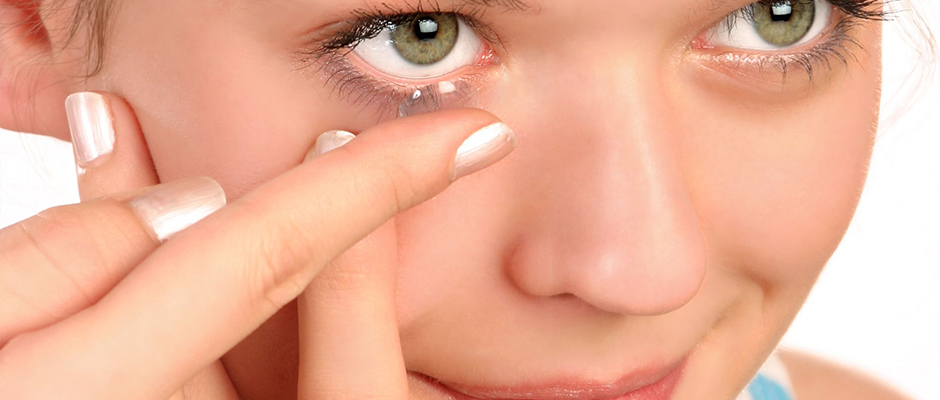
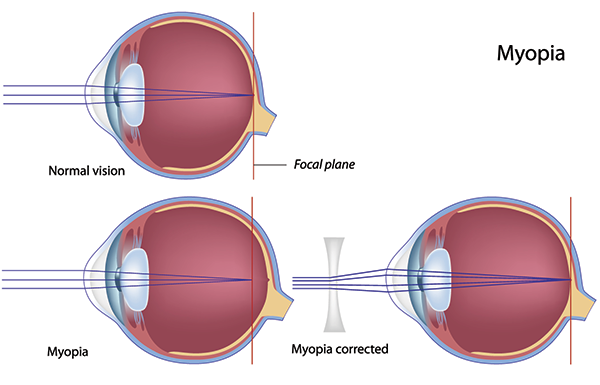
Nearsightedness (myopia) is a common vision condition in which you can see objects near to you clearly, but objects farther away are blurry.
The degree of your nearsightedness determines your ability to focus on distant objects. People with severe nearsightedness can see clearly only objects that are very close to them, while those with mild nearsightedness may clearly see objects several yards away.
Nearsightedness may develop gradually or rapidly, often worsening during childhood and adolescence. Nearsightedness tends to run in families.
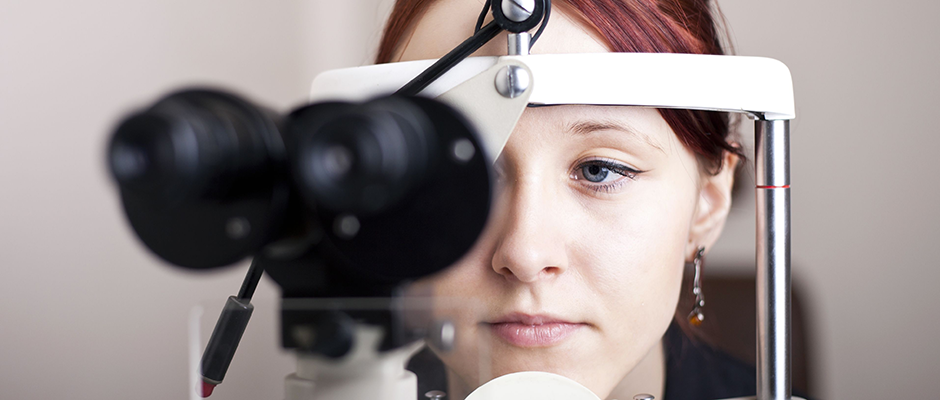
A comprehensive eye exam can confirm nearsightedness. You can easily correct the condition with eyeglasses or contact lenses.
Office Location:
Skyline Family Eyecare
130 Skyline Drive
Ringwood, NJ 07456
(973) 962-0040
Office Hours:
| Monday: | 9:00am - 6:00pm |
| Tuesday: | 9:00am - 6:00pm |
| Wednesday: | Closed |
| Thursday: | 9:00am - 7:30pm |
| Friday: | 9:00am - 6:00pm |
| Saturday: | 8:00am - 1:00pm |
| Sunday: | Closed |
Additional Info
To request an appointment, you can call us at (973) 962-0040.
Below are the New Patient Registration and Privacy Policy forms you'll need to complete on your first visit. You can expedite matters by downloading these forms, completing them at home and handing them to our staff when you arrive for your initial visit to our office.
New Patient Registration
Privacy Policy
Receipt of Privacy Policy
In order to view or print these forms you will need Adobe Acrobat Reader installed. Click here to download it.